Why a smart ring is often the best answer
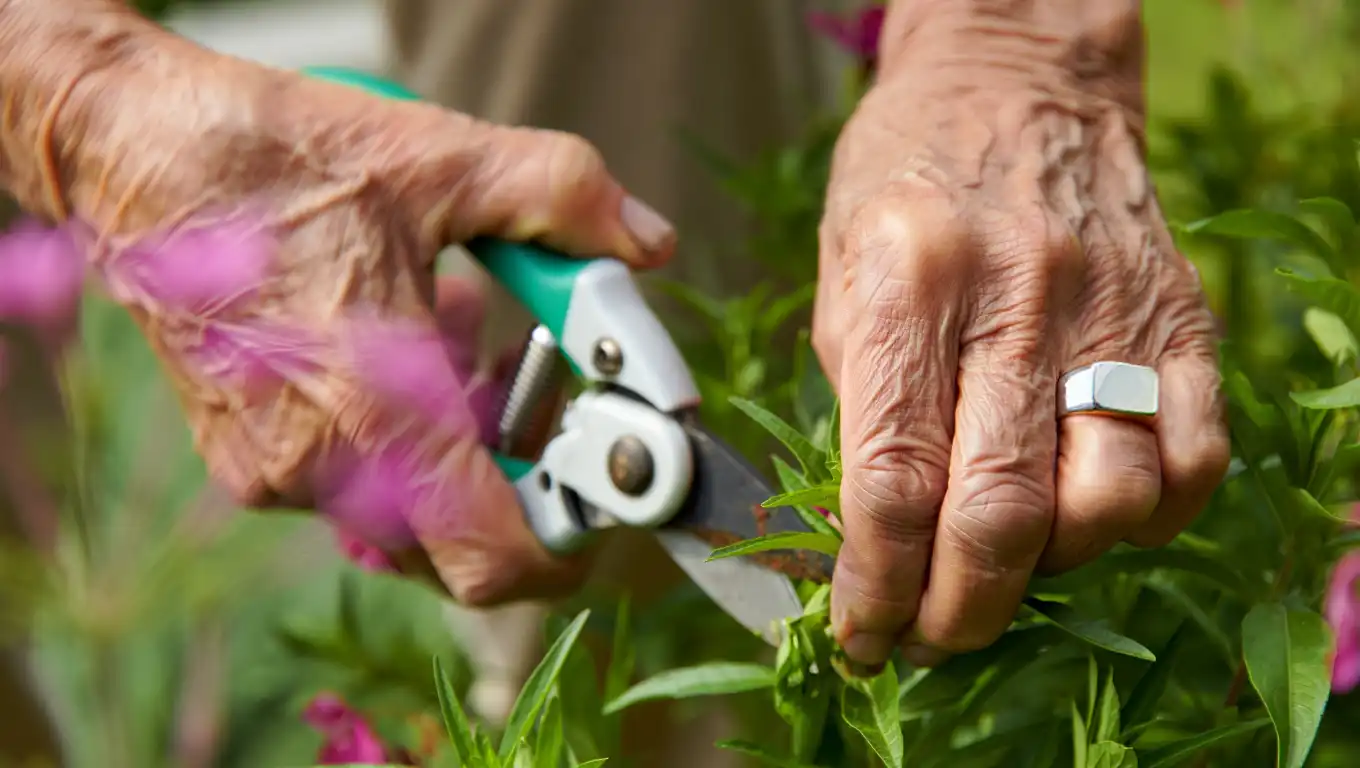
If you're looking for fall detection for an ageing parent or someone you care about, a ring sounds ideal. It's small, discreet, comfortable enough to wear all day and night, and it doesn't look like a medical device. So why has it taken until now for someone to build one?
Smartwatches have offered fall detection since 2018. But detecting falls from a finger is a much harder engineering problem than from a wrist. No smart ring on the market - not the Samsung Galaxy Ring, the Oura Ring, or RingConn - offers fall detection. It's not a feature they forgot to add. It's a feature that's genuinely difficult to deliver.
Haelo is the first smart ring built specifically for fall detection and safety monitoring. Safety isn't something we added on - it is the reason Haelo exists. This article explains what the engineering challenges are, how our approach works, where we are today, and how you can place a pre-order.
Why we are building this
Haelo exists because of a phone call at 5am on September 18th, 2022.
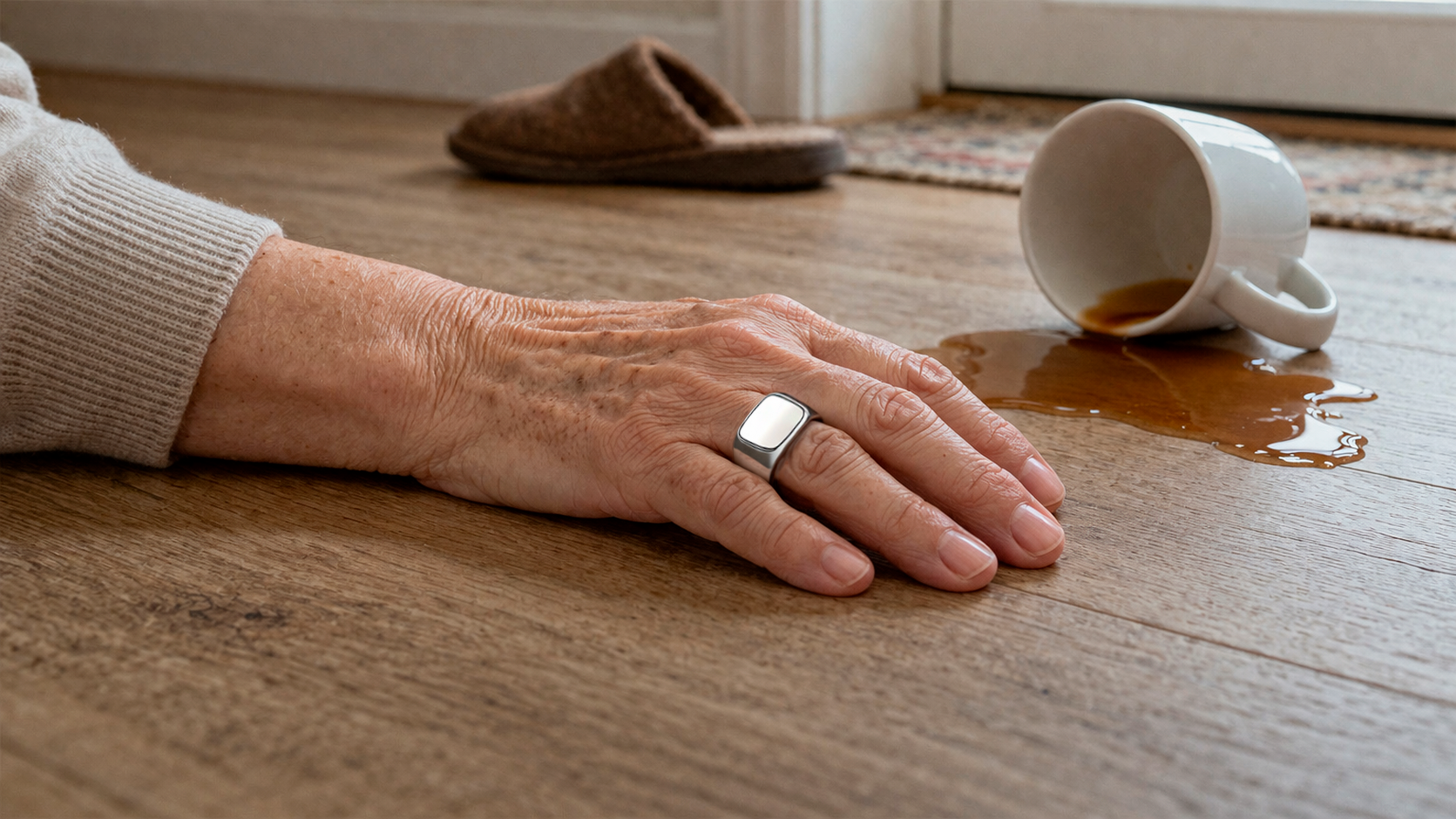
My co-founder Alex's father had been found collapsed in the bathroom during the night. The smartwatch that could have detected the fall and called for help was on the bedside table, charging.
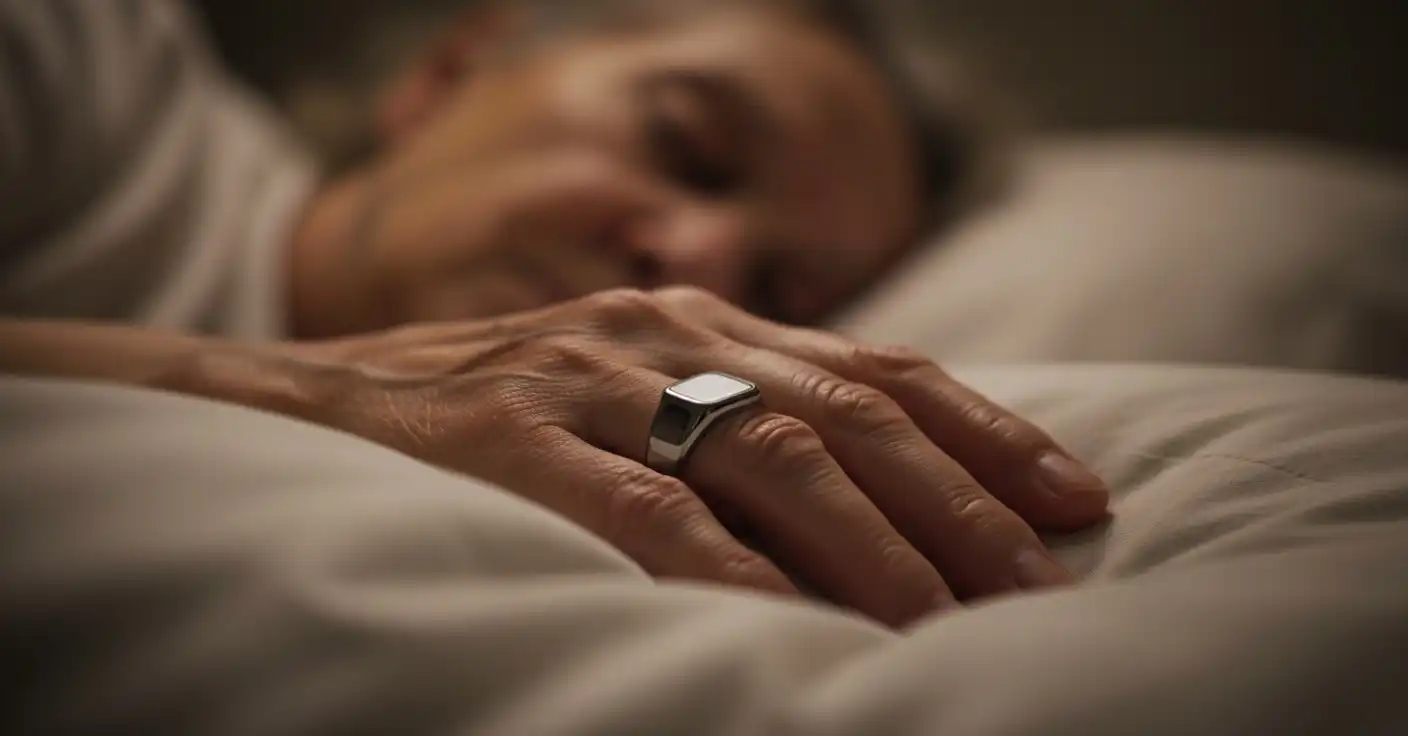
When a device needs to be taken off every night for charging, it leaves a gap in protection exactly when the risk is highest. Bathrooms and bedrooms are the two most common locations for falls at home, and nighttime is when falls are most dangerous. If the device is charging, it isn't protecting anyone.
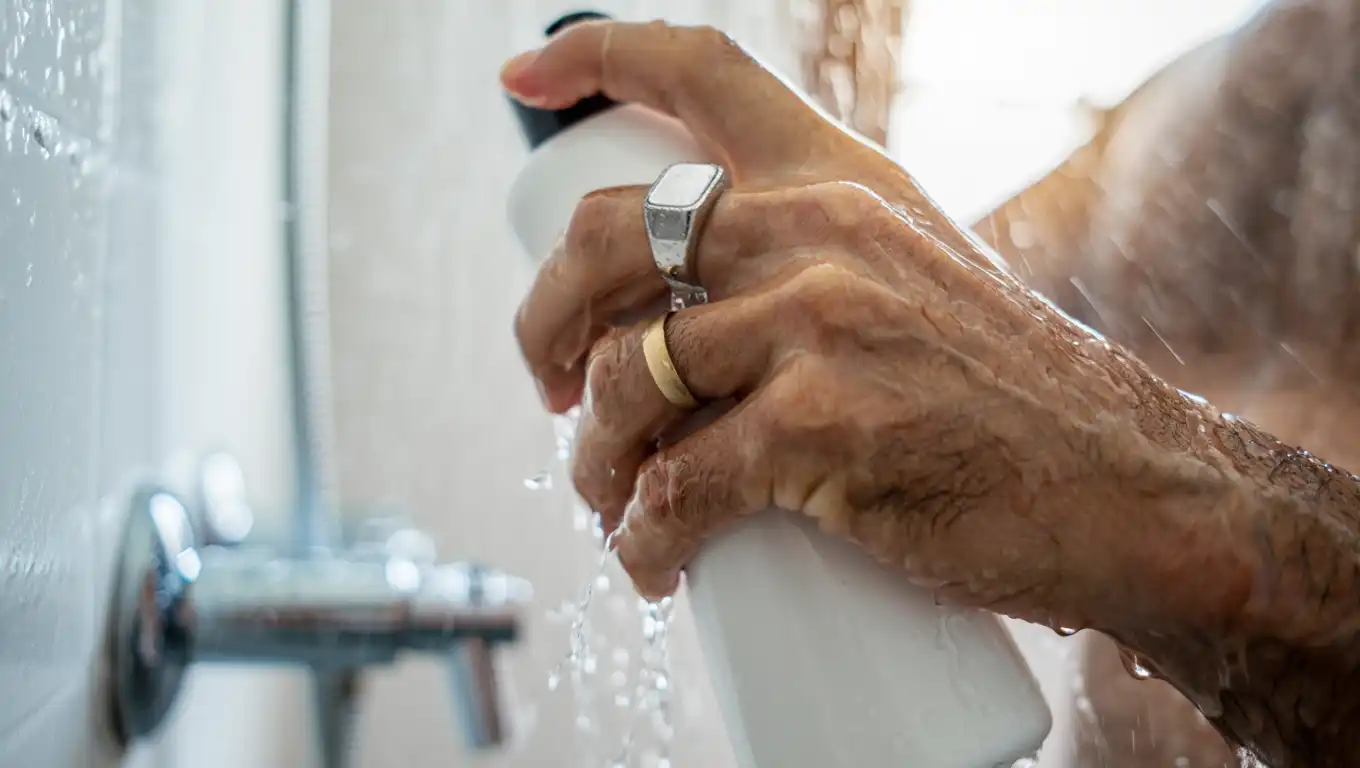
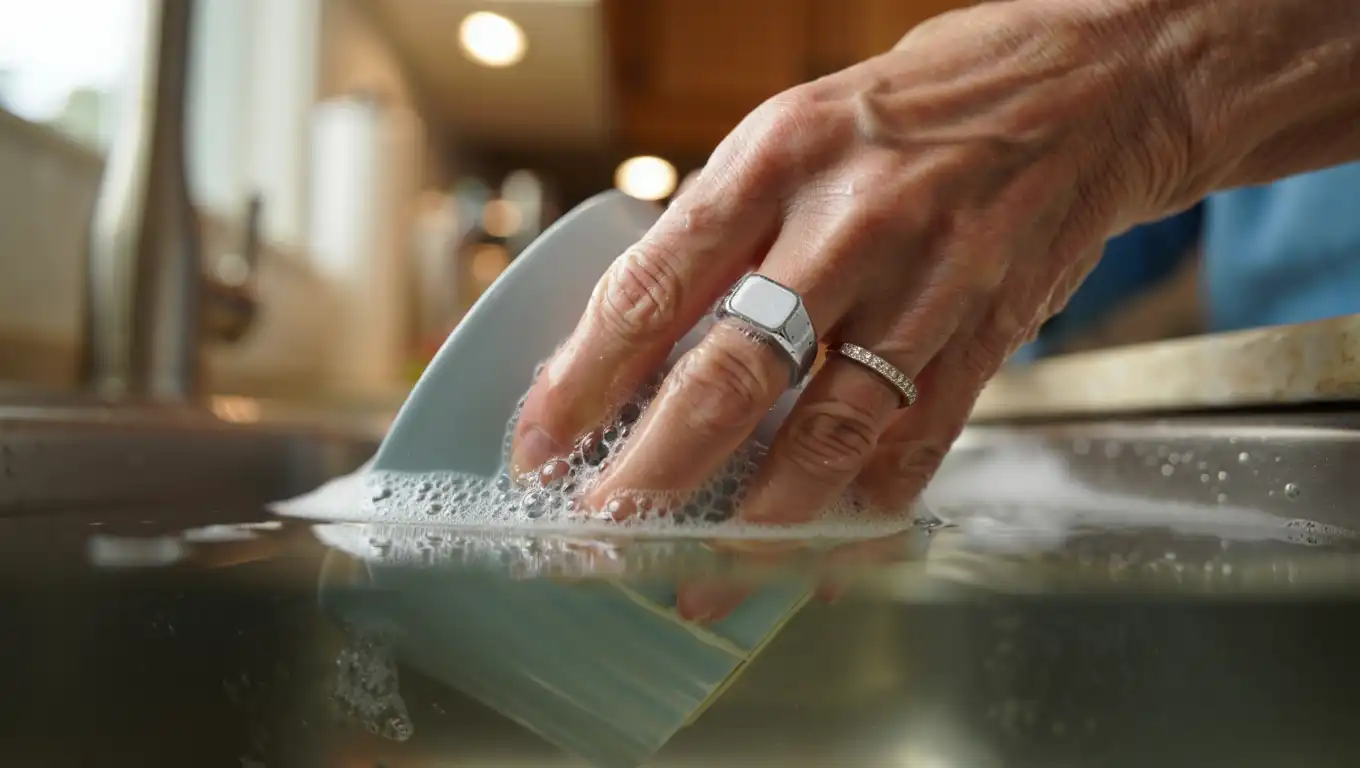
That's the problem we set out to solve: a device that is genuinely wearable around the clock, including in the shower, in bed, and through the night - and that monitors not just for falls, but for signs of danger more broadly. Heart rate changes, drops in activity, concerning physiological patterns. Haelo is designed to be a continuous safety monitor.
The engineering challenge
Fall detection in a smart ring sounds simple in principle: detect a sudden impact and send an alert. In practice, it's one of the harder problems in wearable sensor engineering.
Finger movement is noisy. Research confirms that accelerometer data from a finger is far noisier than from a wrist, with everyday hand movements producing acceleration spikes that overlap with fall signatures. Clapping, slamming a door, chopping vegetables - these can all produce G-force readings that a basic algorithm would interpret as hitting the floor.
False alarms undermine safety. If a device sends too many false alerts, the wearer disables the feature or their family starts ignoring alerts. Research has found that older adults become frustrated with false alarms and may stop using their devices as a result. A fall detection system with frequent false alarms can be worse than no system at all.
Smaller package, tighter constraints. A watch has room for large sensor arrays, powerful processors, and big batteries. A ring has a fraction of that space. Every component must be smaller and more power-efficient while still delivering enough accuracy to tell a fall from a handclap.
None of these challenges are insurmountable. But they explain why no smart ring has managed it yet - and why Haelo was purpose-built to solve them.
So why a smart ring?
The devices that can already detect falls - smartwatches and pendants - have a different problem that is much harder to engineer around: people do not wear them consistently. The Apple Watch needs daily charging, which means it is typically off the wrist overnight; and many users dislike the watch form factor altogether and would understandably prefer a more discreet alternative. Pendants, meanwhile, carry stigma that drives high abandonment. The most technically capable fall detection system is useless if it is in a drawer or on a charger when the fall happens.
That's why we chose the ring. The engineering is harder, but the compliance problem - getting someone to actually wear the device 24 hours a day - is easier. And compliance is what determines whether fall detection works in practice, not just in a lab.

Free Resource
Struggling to bring this up with your parents?
Download our free 1-page guide: The "How to Talk to Parents About Safety" Script
Download Free PDFHow Haelo is approaching it
The Haelo ring combines a multi-axis accelerometer, gyroscope, and optical heart rate (PPG) sensor. Rather than relying on a single acceleration reading - which is what makes basic algorithms mistake a handclap for a fall - it cross-references multiple sensor streams to read the full signature of a fall: impact, rotation, stillness, and heart rate change.
What makes Haelo's architecture different is where the thinking happens. Most wearables try to detect events on the device itself, which means cramming simplified algorithms into a tiny processor with limited battery to spare. Haelo takes a fundamentally different approach, and one we have patent-pending: the ring captures and transmits sensor data in real time to the cloud, where there are no limits on computational power. That means Haelo can run detection models that would be impossible to fit on a ring, and improve them instantly for every device worldwide, without a firmware update.
This also means better battery life. Because the ring's job is to sense and transmit rather than run detection algorithms, it uses less power, lasting over a week on a single charge. The ring connects either to small plug-in gateways placed around the home, or to a nearby smartphone, whichever is more convenient for the user.
Over the first weeks of wear, the system builds a personalised profile of the wearer's normal movement patterns in the cloud, so fall detection is calibrated to the individual rather than relying on generic thresholds. This personalised baseline learning is part of our patent-pending fall detection method. If the accelerometer spikes but heart rate stays calm, that context weighs against a fall.
Beyond fall detection, the ring continuously tracks heart rate, heart rate variability, and activity levels, flagging concerning changes that might indicate a problem before a fall happens. When a fall is detected, the system continues monitoring sensor data during a brief window. If the wearer resumes normal movement, the alert is automatically downgraded. If there's no response and the data shows immobility, it escalates to a care circle of chosen family members or caregivers. In cases of clear unconsciousness, the alert goes out immediately.
Haelo's progress and remaining challenges
Haelo is in pre-order. We are validating the technology with university research partners - including Nottingham Trent University's Medical Technologies Innovation Facility, and researchers from the University of Bath and Mount Sinai Health System. Early results from our testing and pilot work have been encouraging, and we are moving towards launch.
We are also honest about what fall detection systems cannot do. "Soft" falls - slow slides from a chair, gradual collapses - produce weaker sensor signals that every system, including the Apple Watch, struggles with. And no fall detection system catches every fall, with accuracy varying between individuals depending on factors like mobility and movement patterns. However, by combining multiple sensor streams and learning each wearer's individual patterns in the cloud, Haelo is designed to close that gap as far as current technology allows. And because the detection models live in the cloud - part of our patent-pending system architecture - improvements can be deployed to every ring instantly as our data and algorithms improve.
How it compares to what is available today
| Smart ring (Haelo) | Smartwatch (Apple Watch) | Pendant / wristband | Contactless sensors | |
| Detection | Automatic | Automatic | Mostly manual | Automatic |
| Battery | Up to 12 days | ~18 hours | Months | Mains powered |
| Worn 24/7 | Designed for it | Often charging at night | Often removed (stigma) | — |
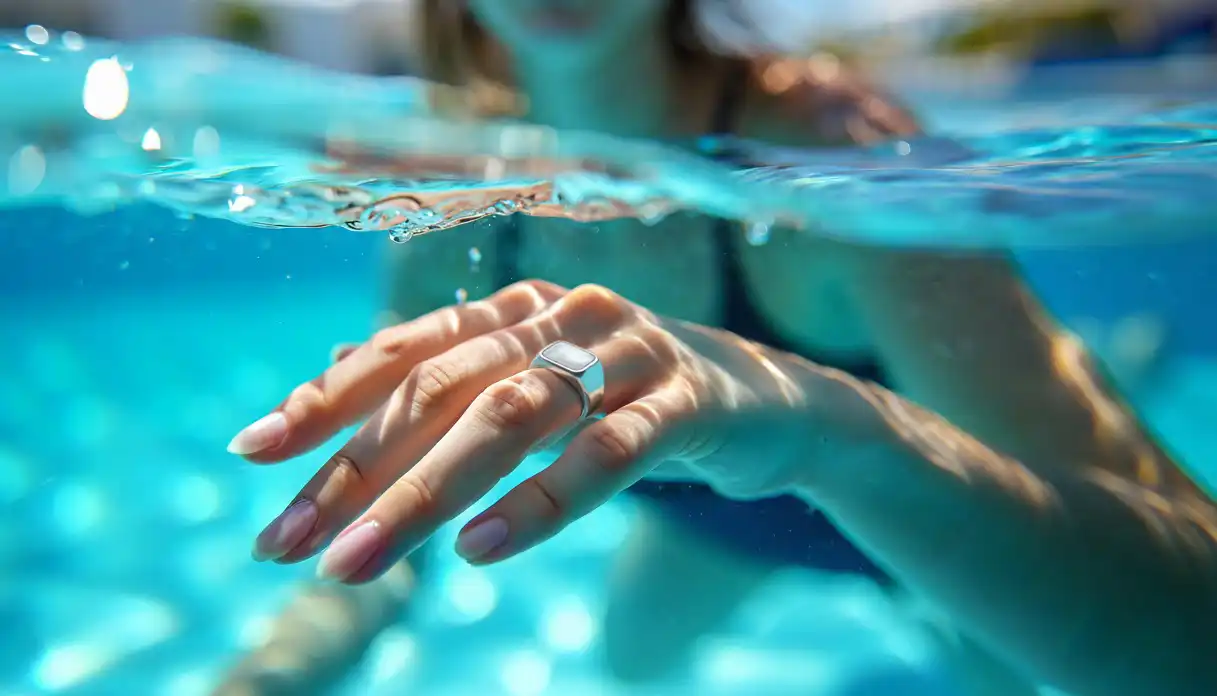
| Waterproof | (IP68) | Some models | Varies | — |
| Stigma | None | Low | High | None |
| Available now | Pre-order |
Last verified August 2026. Competitor specifications and availability change; figures are from the manufacturers' own published specs at that date.
Which option is right for you?
If you need fall detection right now and the wearer is willing, a smartwatch is a strong option. The Apple Watch offers automatic detection, direct emergency calling, and years of real-world data. Pendants are simpler still, with decades of proven use in telecare. The main trade-off is coverage: the Apple Watch typically needs to come off overnight for charging, leaving a gap when fall risk is highest. To fix this problem some families even buy two watches and rotate them so one is always charged. Pendants avoid the battery problem but many seniors stop wearing them for a variety of reasons, including stigma and convenience.
If the person you care about doesn't want to wear a medical pendant or smartwatch, a smart ring addresses the core problem: a device discreet and comfortable enough to stay on around the clock, with battery life measured in days rather than hours. Haelo is in pre-order now, with production beginning later in 2026 and consumer shipping expected late 2026 into early 2027.
Frequently Asked Questions
Does the Oura Ring have fall detection?
No. The Oura Ring does not detect falls, and it has no way to alert anyone if you fall - it has no emergency call function and no automatic alerting to a caregiver. Oura's own documentation notes the ring does not use sounds, lights or vibrations, so there is no alerting hardware on the finger at all. It is built for sleep, readiness and activity tracking, and does those well.
Does the Samsung Galaxy Ring have fall detection?
No. The Samsung Galaxy Ring does not offer fall detection or emergency alerting. Samsung's fall detection is a Galaxy Watch feature, not a ring one - the same wrist-versus-finger split you see across the industry.
Do any other smart rings have fall detection?
No. As of August 2026, no consumer smart ring - Samsung Galaxy Ring, Oura Ring, RingConn, Ultrahuman - offers fall detection that can automatically alert a caregiver or emergency service.
These are good sleep and recovery trackers, and that is what they are designed for. Fall detection is a different engineering problem: it needs high-rate motion sensing, classification that runs on the ring itself, and a live alerting path off the finger. None of them are built with that chain in place.
What is a medical alert ring?
A medical alert ring is the ring-shaped version of the pendant or wristband alarm: something worn on the body that can get help when the wearer cannot. The difference is what it takes to keep it on. Pendants get taken off, while a ring is worn like jewellery, so it tends to stay on overnight, when falls are most dangerous.
No ring on the market does this yet. Haelo is in pre-order.
How is this different from the Apple Watch?
The Apple Watch has proven fall detection and can call emergency services directly. Its main limitations are battery life (~18 hours), which typically means it is taken off overnight, and the style preferences of potential users. Haelo is designed for continuous wear, featuring a discreet design and a battery that lasts over a week. The ring transmits data to plug-in home gateways, which relay it to the cloud for real-time analysis and send alerts to nominated contacts. The Apple Watch is available now; Haelo is in pre-order.
What if the ring sends a false alarm?
When a potential fall is detected, the system continues monitoring for signs of normal movement. If the wearer gets back up, the alert is automatically downgraded. If the wearer is unresponsive and the data shows immobility, the alert goes to nominated contacts. The multi-sensor approach and personalised baselines are designed to minimise false alarms, though no system eliminates them entirely.
Is Haelo available now?
Haelo is in pre-order and in validation with university research partners. Visit haelohealth.com for launch updates.
Can someone with dementia use it?
This is one of the strongest use cases. No interaction required - no buttons, no screen, no daily charging. The ring can be managed entirely by a carer.
First published · Last updated