At 5am on September 18th, 2022, I got the call everyone dreads.
My dad had been found collapsed in the bathroom, and he wasn't breathing.
He had woken in the night and gone for a shower - but the device that could have helped him, his leading smartwatch, was sitting on the bedside table, charging. As I drove to him, we learned he had likely suffered a heart attack. Alone.
Even with his partner sleeping in the next room, no one knew anything was wrong until it was far too late. I couldn't believe that our bedrock - a man still full of energy, still so alive - had disappeared in silence simply because nothing had alerted us.
If this sounds familiar, or if it is your worst fear, you aren't alone.
Research suggests that a staggering number of older adults who own a Personal Emergency Response System (PERS) do not actually wear it consistently. The industry calls this "non-compliance." At Haelo, we call it a design failure.
If a safety device requires you to change your habits, remember to charge it daily, or feel embarrassed to wear it in public, it isn't a safety device. It's a paperweight.
The 3 Hidden Barriers to Safety
Before trying to force your parent to wear their current device, it helps to understand why they took it off in the first place. Our analysis of user behavior reveals three significant flaws in existing technology.
1. The "Medical Gaze" (Stigma)
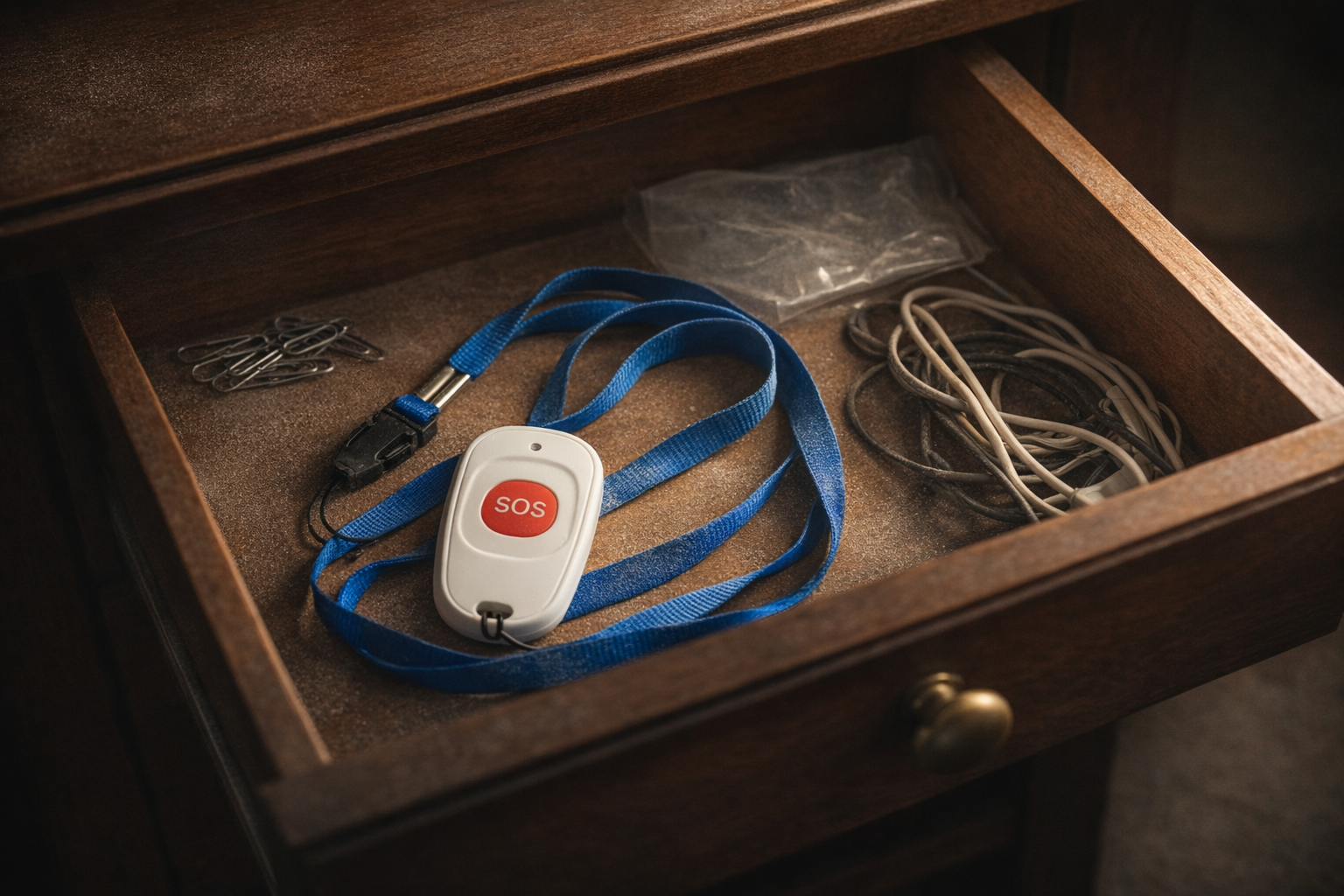
To a safety engineer, a large white plastic button looks like reliability. To an independent 75-year-old, it looks like a hospital bracelet.
The traditional pendant is a universal symbol of frailty. Wearing it signals to the world - and, more painfully, to themselves - that their independence is fading. Data consistently shows that seniors perceive these devices as stigmatizing, leading many to hide them under shirts or leave them in drawers when guests arrive. A device in a drawer cannot detect a fall.
2. The Cognitive Load (Battery Anxiety)
Modern smartwatches are engineering marvels, but they were built for the tech-savvy, not for safety.
Most leading smartwatches, including the Apple Watch, require daily charging to function. For an older adult, this creates a "cognitive load" - a new chore they must remember every single night. Research shows that this charging routine is a primary point of failure. If they forget to charge it once, the battery dies. If they put it on the charger, they are unprotected for hours - often at night, which is statistically the most dangerous time for bathroom falls.
3. The "Active" Requirement (Incapacity)
This is perhaps the most dangerous flaw of all. Most legacy systems are "Active" - they require the user to physically press a button to summon help.
However, in many severe emergencies - such as a stroke, cardiac arrest, or a fainting spell - the user is physically unable to press anything. A landmark study on falls found that 80% of seniors who fell were unable to get up independently, and crucially, when they remained on the floor for over an hour, their call alarms were not used in most cases.
Real safety cannot rely on the user to save themselves. It must be Passive.

Free Resource
Struggling to bring this up with your parents?
Download our free 1-page guide: The "How to Talk to Parents About Safety" Script
Download Free PDFThe Safety Paradox: Reliability vs. Adherence
For decades, families have been forced to choose between two flawed categories of protection. The market has historically been divided by a single, brutal trade-off: Clinical Reliability versus Human Compliance.
On one side, you have the Traditional Pendant (e.g., Life Alert). These devices are clinically robust and have batteries that last for years. However, their "medical" aesthetic creates such profound stigma that adoption rates are critically low. Research shows that 86% of users don't wear them 24 hours a day, leaving them in a drawer because they "don't want to look old."
On the other side, you have the Consumer Smartwatch (e.g., Apple Watch). These solved the stigma problem. But they introduced a new risk: Complexity. With 18-hour battery lives and touchscreens that require fine motor skills, they demand a level of daily "maintenance" that too often becomes a failure point for many seniors, especially those with cognitive decline or arthritis.
The Haelo Approach: The "Passive" Third Way
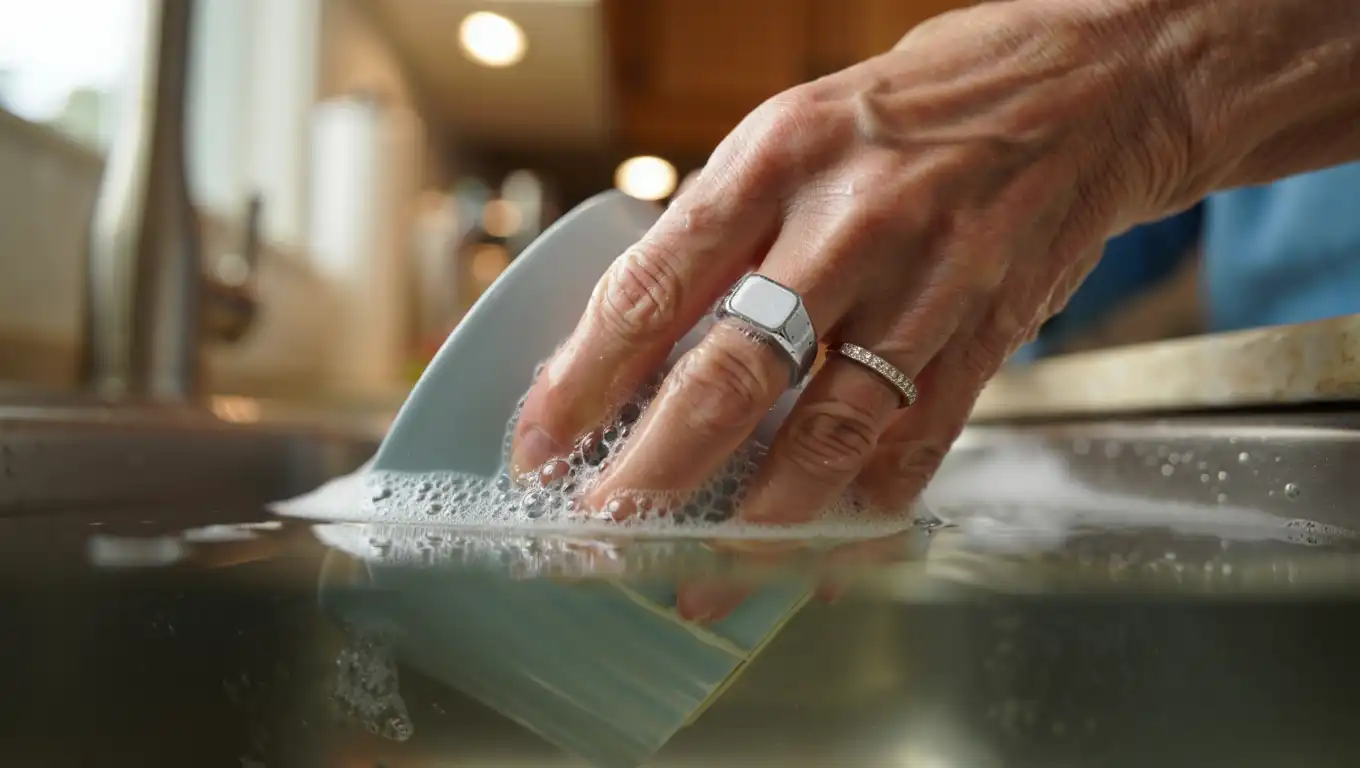
We refused to accept this trade-off. Our analysis suggested that the ideal safety device must have the adherence of jewelry (so they never take it off) but the passive reliability comparable to a dedicated clinical tool.
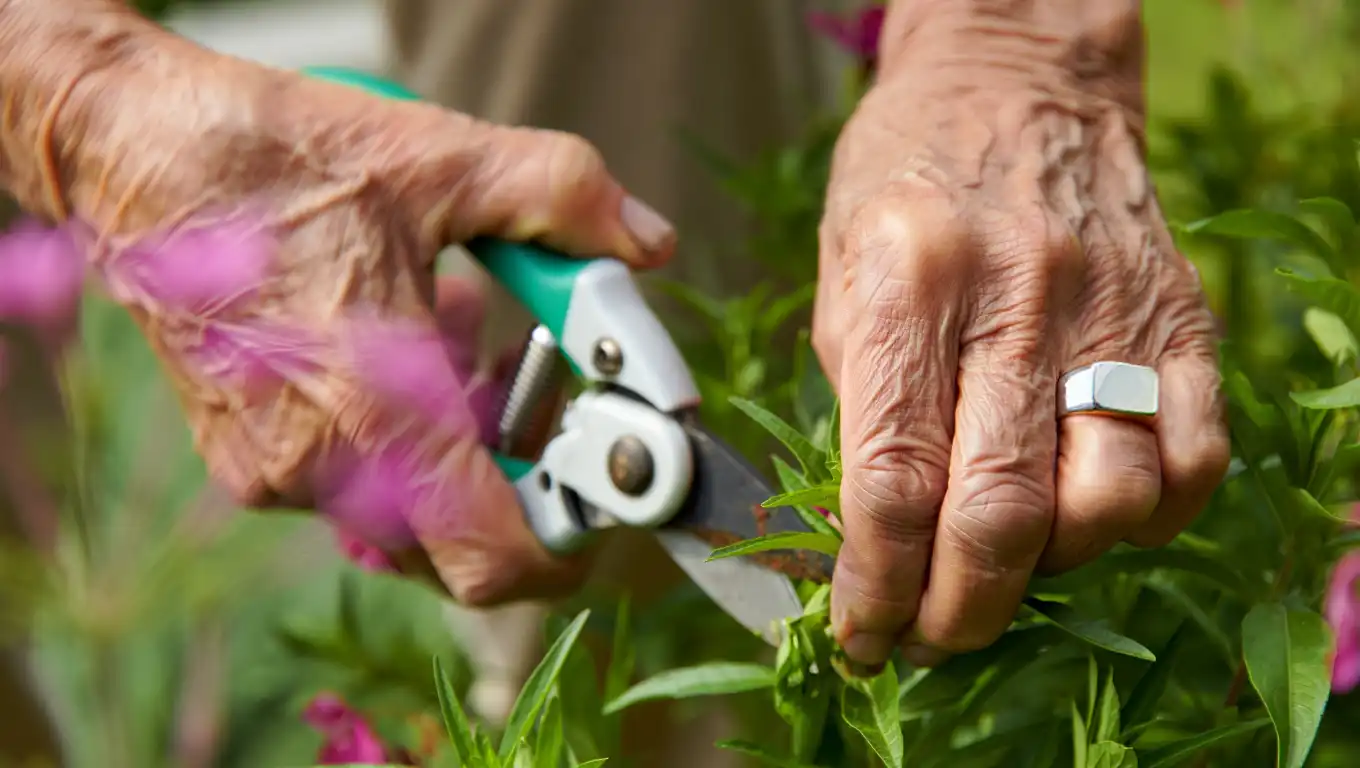
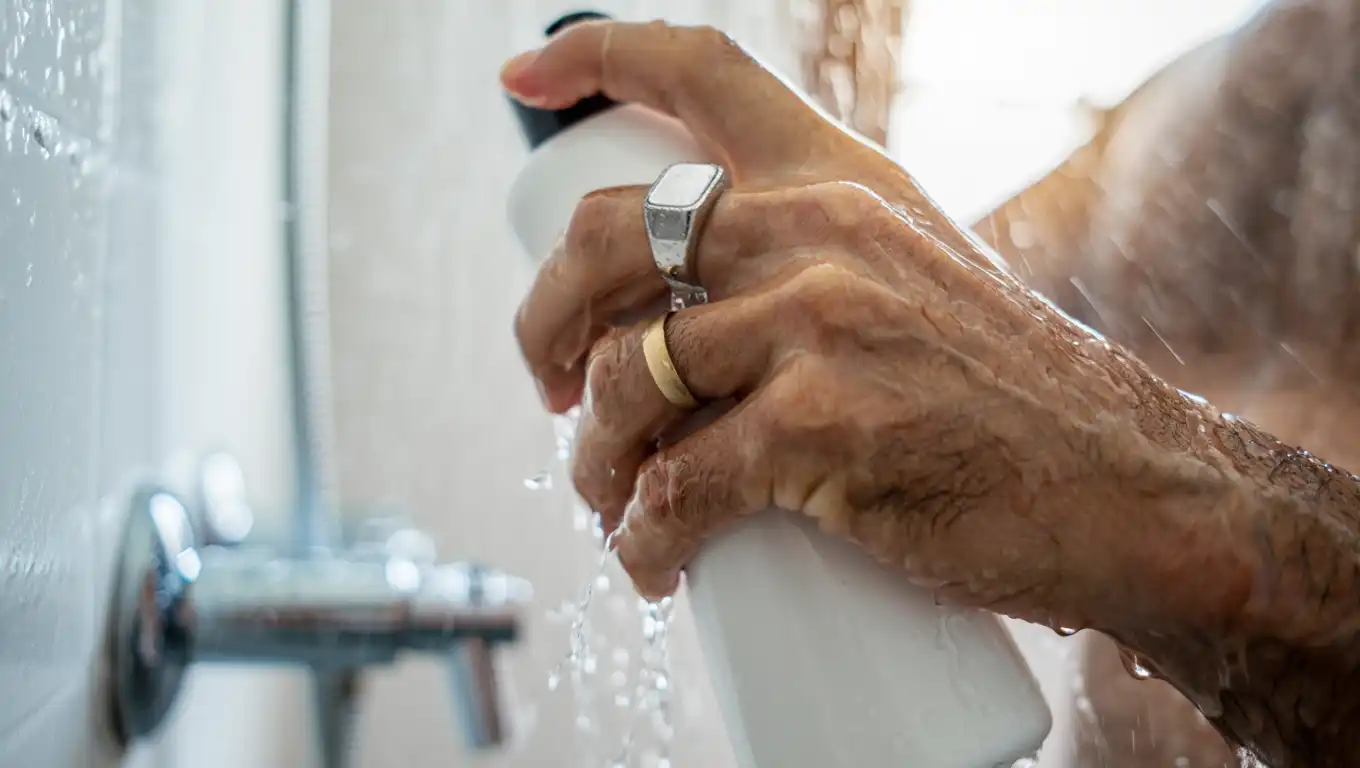
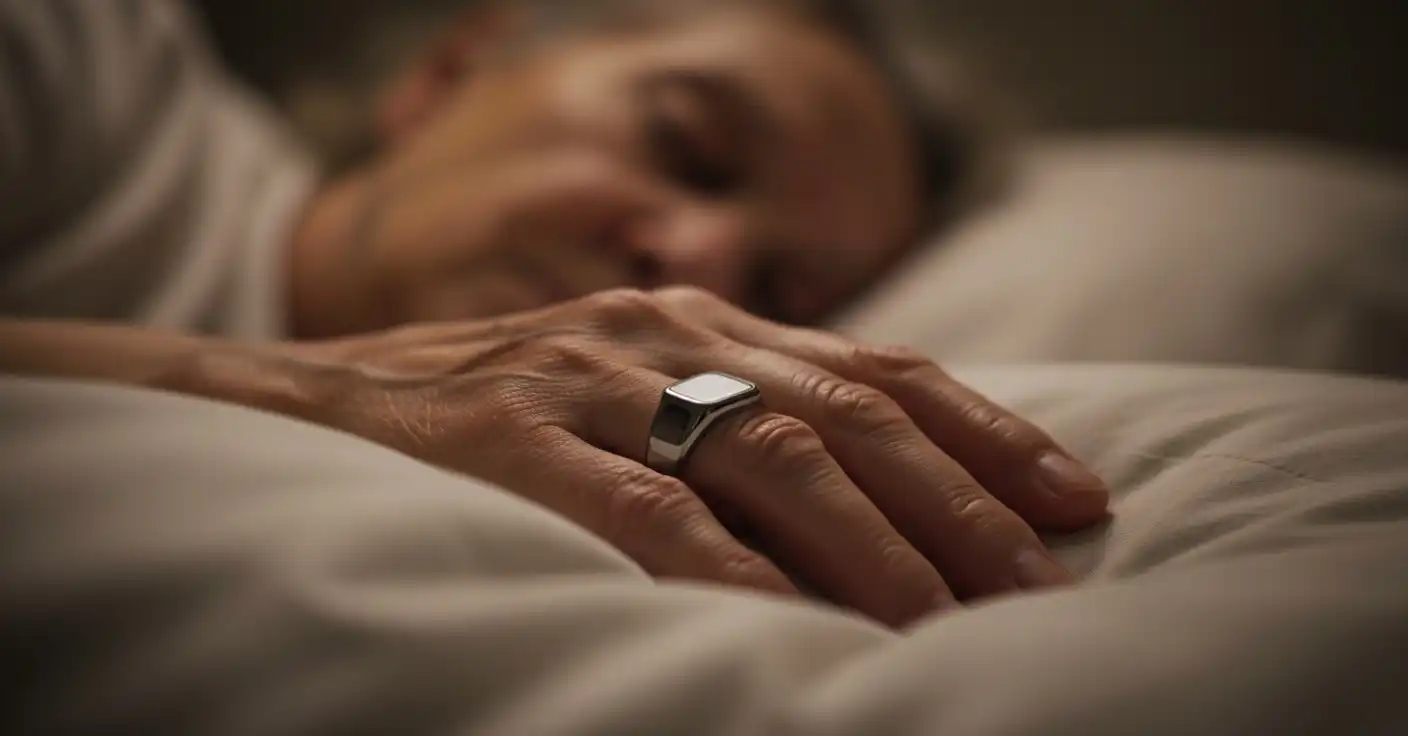
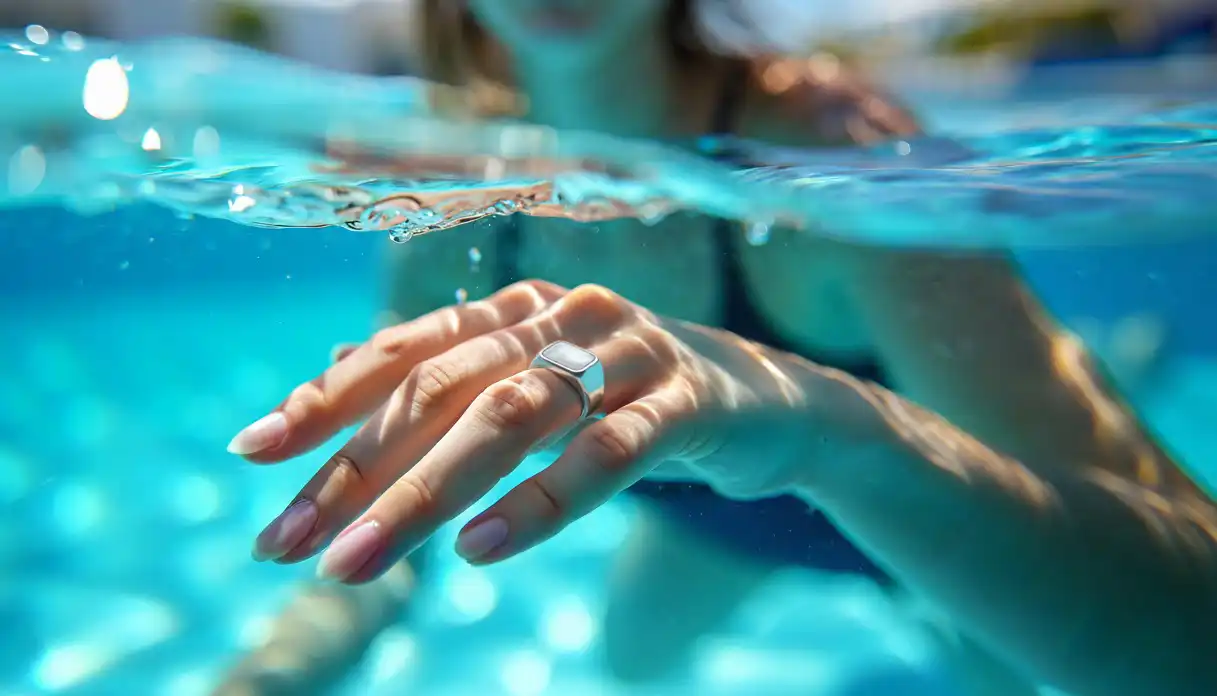
By moving the technology to a ring form factor, we removed the screen entirely. This wasn't a cost-saving measure; it was a safety decision. Eliminating the screen allowed us to extend battery life from hours to over a week, ensuring protection persists through the night - the most critical window for unobserved falls. Read how we engineered the world's first smart ring with fall detection.
The Honest Trade-offs: What You Give Up
Haelo is a specialized tool, not a swiss-army knife. To achieve "Set and Forget" simplicity, we made deliberate exclusions. Here is what Haelo does not do.
1. It Is Not a Communication Device
Unlike a smartwatch, you cannot read texts, check the weather, or make phone calls on Haelo. It is strictly a background monitoring device designed to be invisible until an emergency occurs.
2. No Built-In Speaker
Traditional pendants often function like a walkie-talkie. A ring is too small for a loudspeaker. Instead, Haelo uses a localized base station or smartphone app to trigger the alert and open the voice channel.
3. It Is Not a "Fitness Tracker"
If your parent is an athlete who wants to track their VO2 Max or Strava runs, a wellness ring (like Oura) is a better choice. Haelo's sensors are tuned specifically for safety metrics: fall detection, heart rate variability (HRV), and sleep quality. Learn more about our technology.
Comparison: The Safety Landscape (2026)
How specialized protection compares to generalist tools.
| Feature | Traditional PERS (e.g., Life Alert) | Consumer Smartwatch (e.g., Apple Watch) | Passive Safety Ring (e.g. Haelo) |
| Primary Goal | Clinical Function | Apps & Communication | 24/7 Protection |
| Adherence Barrier | High Stigma (looks medical) | High Maintenance (daily charging) | None (looks like jewelry) |
| Battery Life | Years (Non-rechargeable) | ~18 Hours | Up to 12 Days |
| Fall Detection | Button Press (Active) | Active Sensors | Passive Continuous |
| Sleep Monitoring | Limited (requires charging) | Native / 24-7 |
Methodology Note: Comparisons based on manufacturer specifications for standard usage as of Jan 2026. "Passive Safety Ring" metrics refer to Haelo's low-power monitoring mode. Apple Watch battery claim based on official "All-Day Battery" specs.
Frequently Asked Questions
Does Medicare cover devices like Haelo?
Generally, Original Medicare (Part A and B) does not cover medical alert systems or wearables, categorizing them as "preventative" rather than "medical treatment." However, many Medicare Advantage (Part C) plans are beginning to offer partial coverage. Learn more about Medicare coverage for alert systems.
Why isn't the Apple Watch good enough for seniors?
The 18-hour battery life requires daily charging, which creates a high "cognitive load" for seniors. Statistics show that charging periods often coincide with high-risk times (nighttime bathroom visits), leaving the user unprotected.
What is a "long lie" after a fall?
A "long lie" occurs when a person falls and remains on the floor for over an hour. This usually happens because they are physically unable to get up and cannot reach a phone or alarm to summon help. Even if the fall itself doesn't cause a severe injury, being stranded often leads to dangerous secondary complications like hypothermia, dehydration, pressure sores, and muscle damage. Furthermore, the distress of being unable to get help can cause a lasting "fear of falling," severely impacting an older adult's future mobility and independence.
Written by Alexander Robert, Co-Founder & CEO at Haelo Health. Reviewed by Haelo Clinical Team.
First published · Last updated