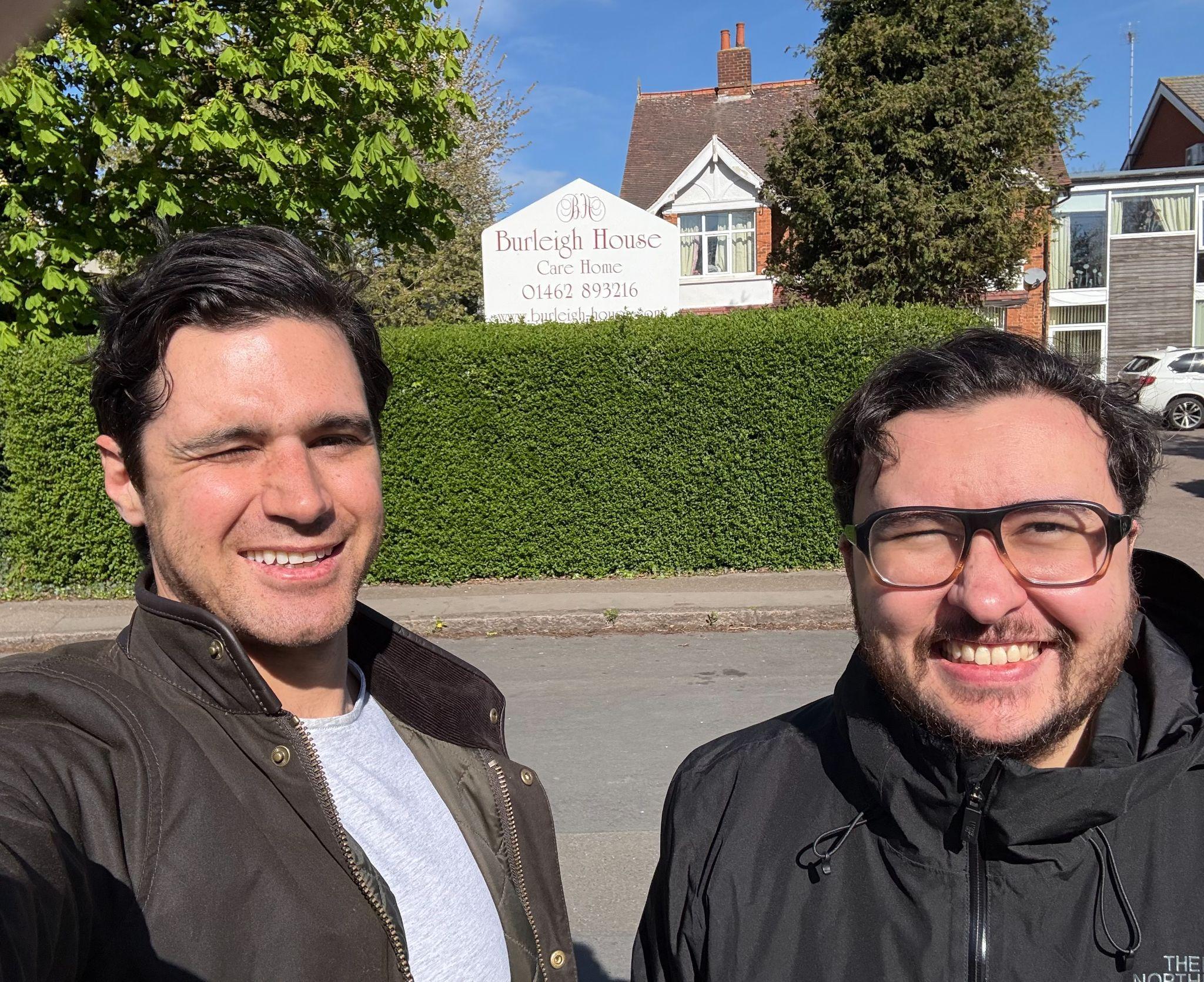
It's a moment we've been building toward since our journey began: launching the Haelo system in a live care setting. Burleigh House in Hertfordshire, a residential care home, became that setting on 14 April, with sixteen of its residents now wearing Haelo devices continuously, connected by the plug-in Hubs, and their readings flowing to the care team through our dashboard. Here's a breakdown of the first month.
The Haelo system operating at Burleigh
16 wearable devices. A mix of our prototype rings and wristbands are being used by residents.
21 Haelo Hubs across the home, in residents' rooms and common areas. The Hubs act as Bluetooth gateways, picking up data from the wearables and relaying it to the cloud.
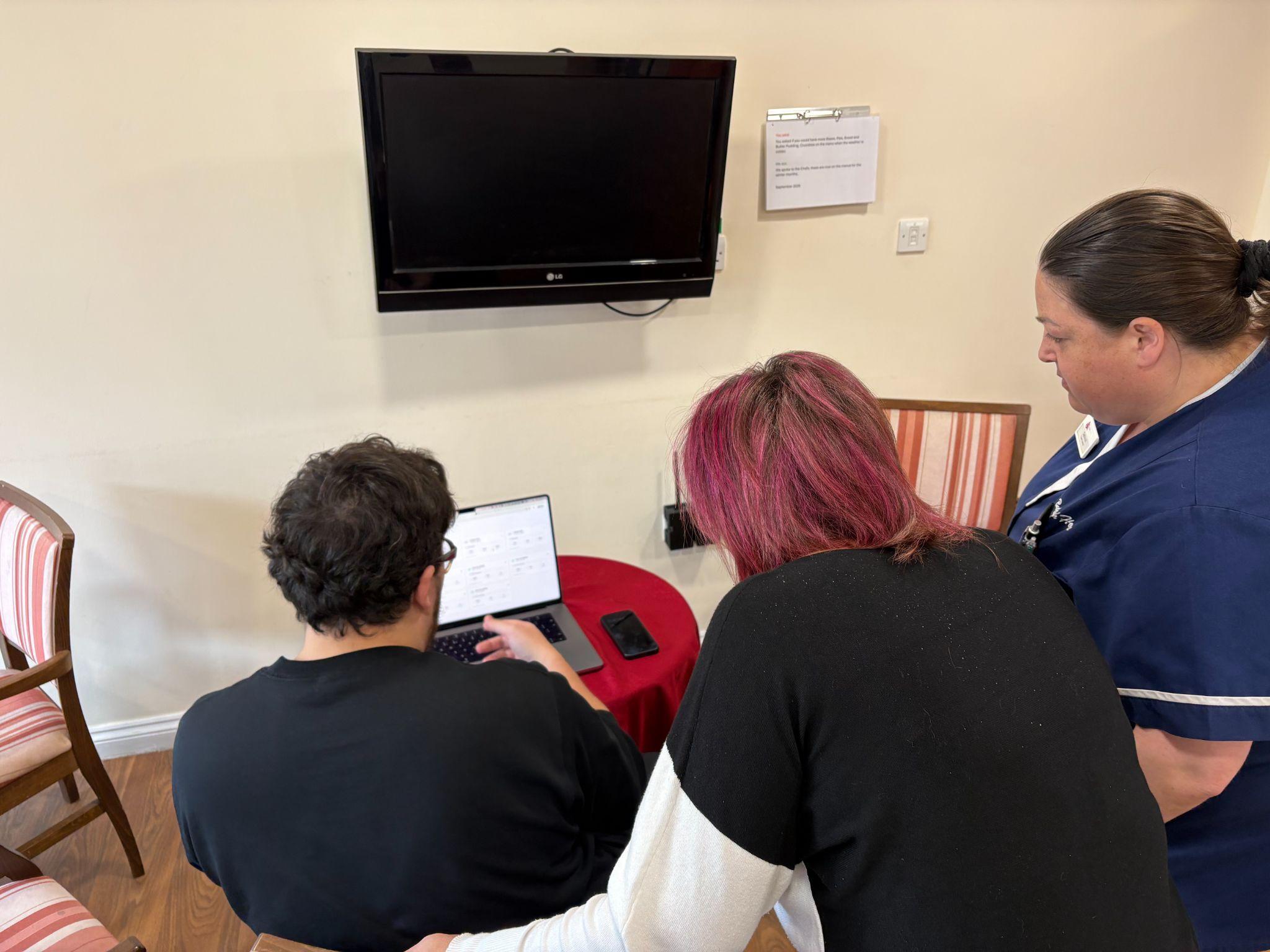
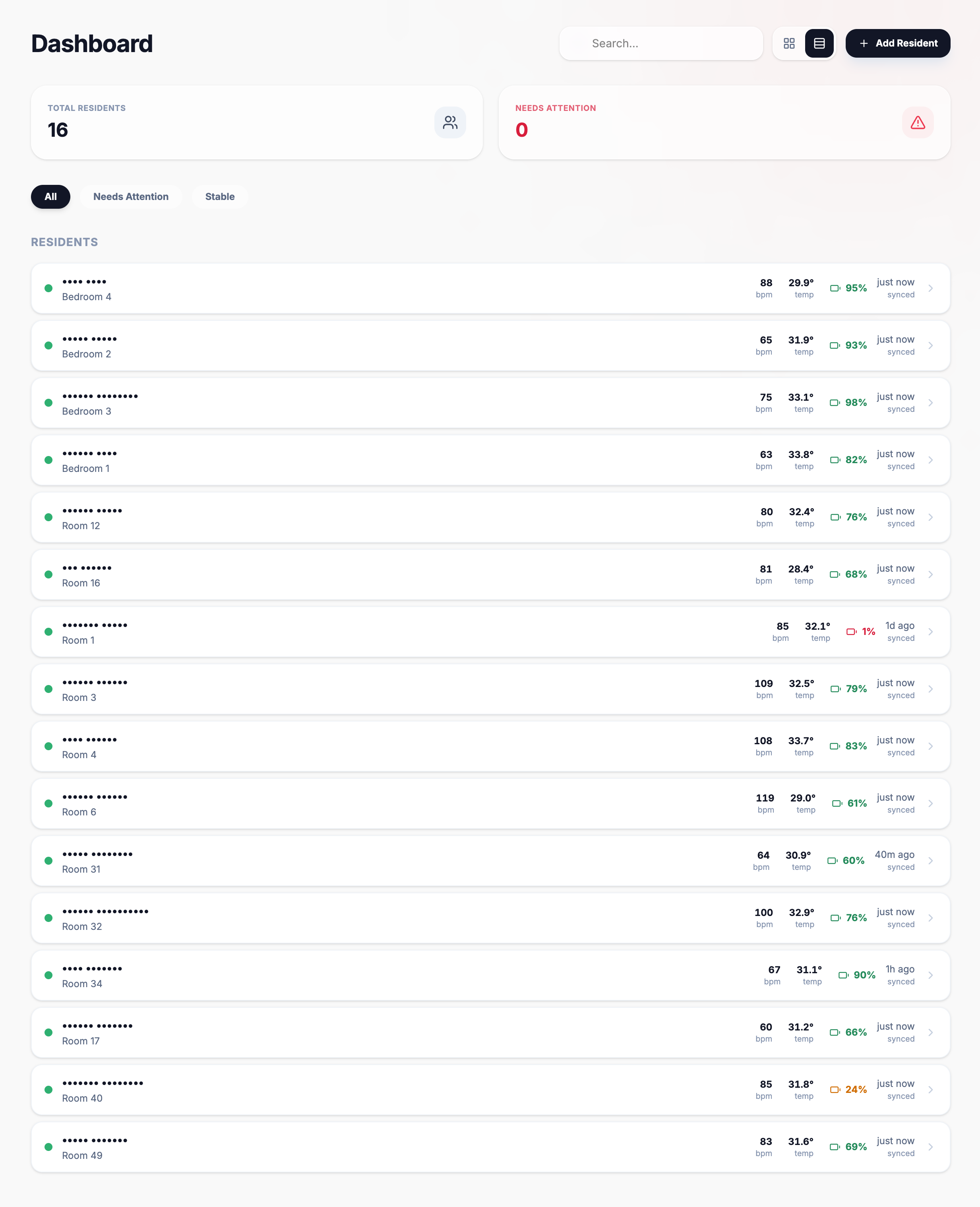
A dashboard for the care team. Accessible, at-a-glance oversight of the home, with regular per-resident reports that can be exported and shared.
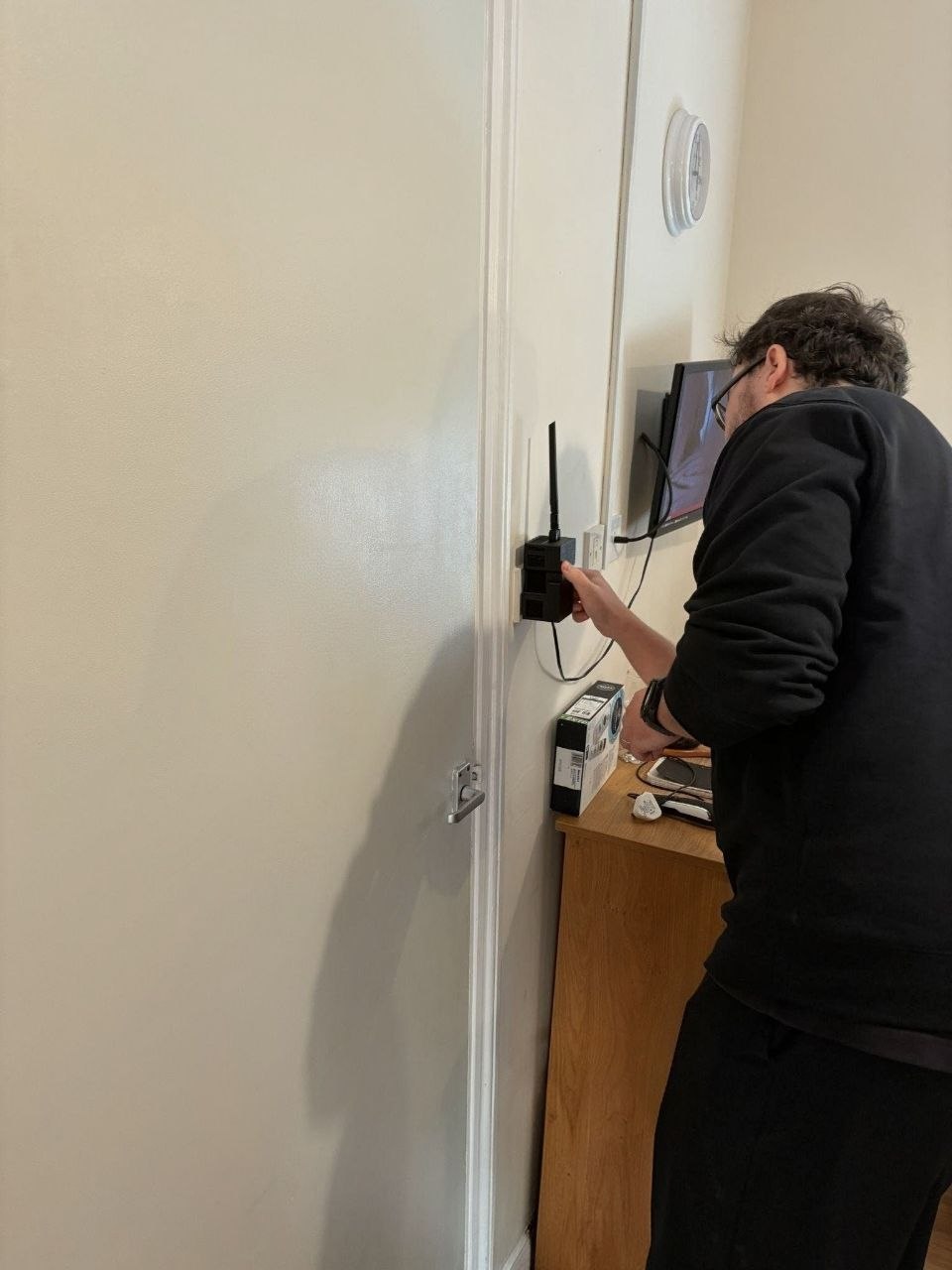
The Burleigh team have been hugely helpful and hands-on throughout: fitting devices, setting up charging routines, and giving us feedback on what works on a busy ward and what doesn't.
The pilot's objectives
Haelo is designed to sit alongside existing care routines rather than disrupt them, and the aim was to test that in practice: how reliably the system performs in a real care setting, whether the wearables are comfortable enough to be worn continuously, how charging routines play out on a busy ward, how well the dashboard supports staff in their day-to-day work, and so on.
Above all, we wanted to verify the value Haelo can deliver to care homes and their residents. Through the care team reports we produce for each resident, we hoped to give the team earlier visibility into changes in a resident's wellbeing, an objective record to draw on during care reviews, emergency detection, clearer information to share with GPs and families, and fewer avoidable escalations, all without adding to the team's workload.
Inside the care team reports
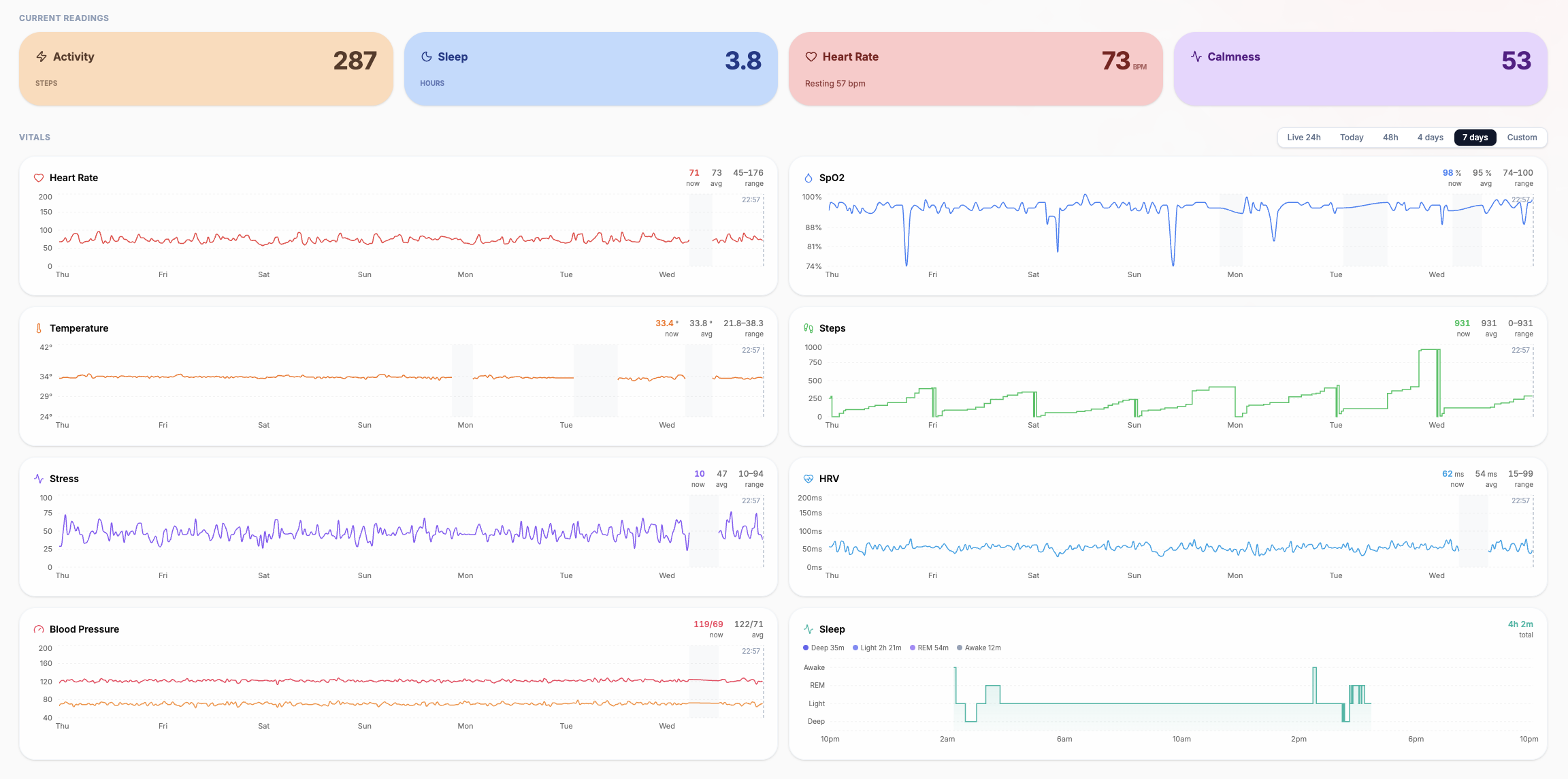
At the heart of the pilot is the structured report we produce for each resident. Each draws on the continuous wearable data, and the version we're now publishing is even more substantial than we'd initially planned, given how rich the data has turned out to be.
Each report covers:
Pre-flagged observations. ATTEND and WATCH-level signals pulled out for the care team, for example irregular sleep, reduced heart-rate complexity, or low-activity periods, each with a plain-language explanation.
Cohort context. The resident's vitals compared against population averages, and against the other residents in the home, with outliers flagged as worth a closer look.
Suggested follow-ups. Specific, tailored next steps, for example reviewing the resident's evening routine if sleep regularity is low, encouraging light mobilisation where daytime activity has been consistently low, or simply checking in on the resident if their movement patterns suggest less socialisation than usual.
Clinical composites. A frailty index, a "body battery" analogue, and a passive mood-risk screening signal, giving the team a single quick read across multiple dimensions at once.
Trend charts for heart rate, HRV, stress, blood oxygen, skin temperature, and sleep, across the full observation period.
Day-by-day breakdown. Every metric, for every day in the period.
Plain-language framing throughout. Healthy reference ranges next to every signal.
There's also a lighter version produced for residents themselves, with headline numbers framed in an accessible format.
For the care team, it's visibility that previously didn't exist. Information that used to live in bedside observations and shift handovers is now in one place: who slept restlessly, whose heart rate was higher overnight, who's been less active this morning. It takes some of the guesswork out of caring for many people at once, and lets the team act on signals they'd previously have had to read between the lines for.
For families, the reports give the team something concrete to draw on when relatives call in or visit. Rather than impressions pieced together across shifts, there's a continuous record of their loved one's wellbeing. The aim is simple: to lift both what residents experience and what their families can expect of it, in tandem.
For residents, the lighter version offers something rare: a clear, encouraging view of their own bodies, in everyday language. A number of residents have asked for printouts of their pages each week.
For GPs, each report can be shared as a snapshot of the resident's recent state. The trend charts and pre-flagged observations give a much richer picture than is usually possible during a short consultation, and a firmer basis for asking targeted questions.
For us, the reports are the proving ground for the predictive analytics we're building toward. There is a growing body of evidence that data from wearables can pick up health events before they're clinically obvious: resting-heart-rate and sleep changes preceding infections by days (replicated at scale in the DETECT study), daily-life gait and activity changes predicting falls in older adults, and a generalised loss of heart-rate complexity tracking physiological decline with age and frailty. Signals like these may be turned into reliable, in-the-moment guidance for the team. We are excited to be working with continuous data across a whole cohort, not just from individual wearers.
What we've learned in the first month
Beyond the reports themselves, a few practical things have stood out.
The Hubs have impressive range. Each Hub reaches into multiple rooms in addition to the one it's installed in. Coverage across the building has been reliable, with no unexpected dead zones we've had to redesign around.
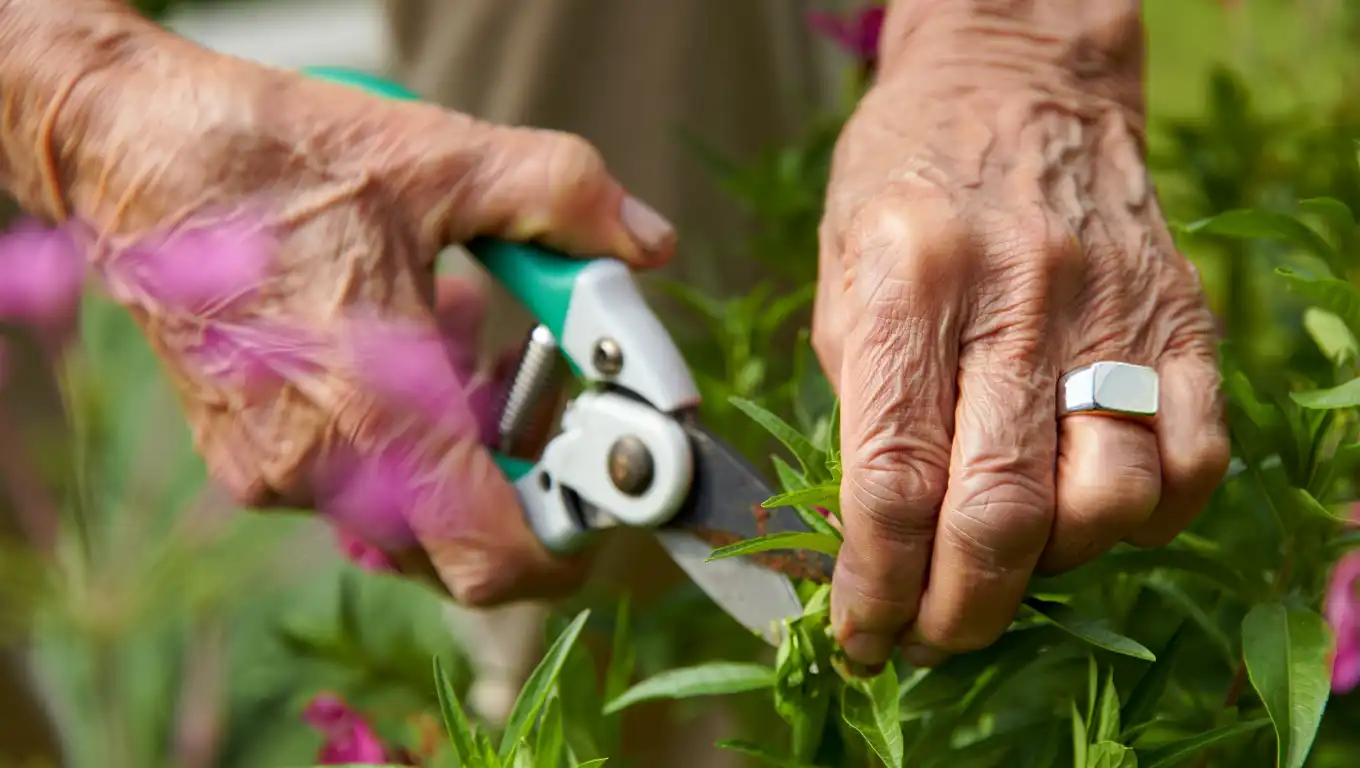
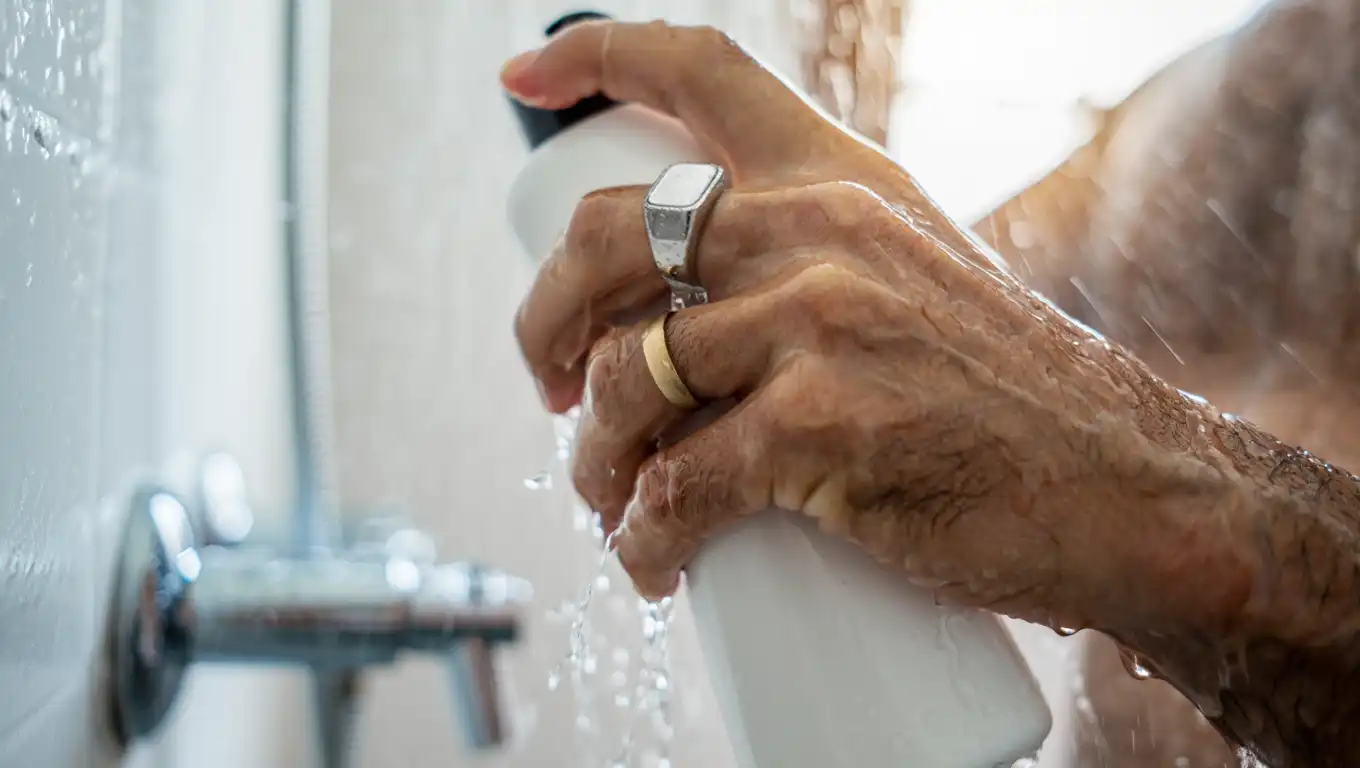
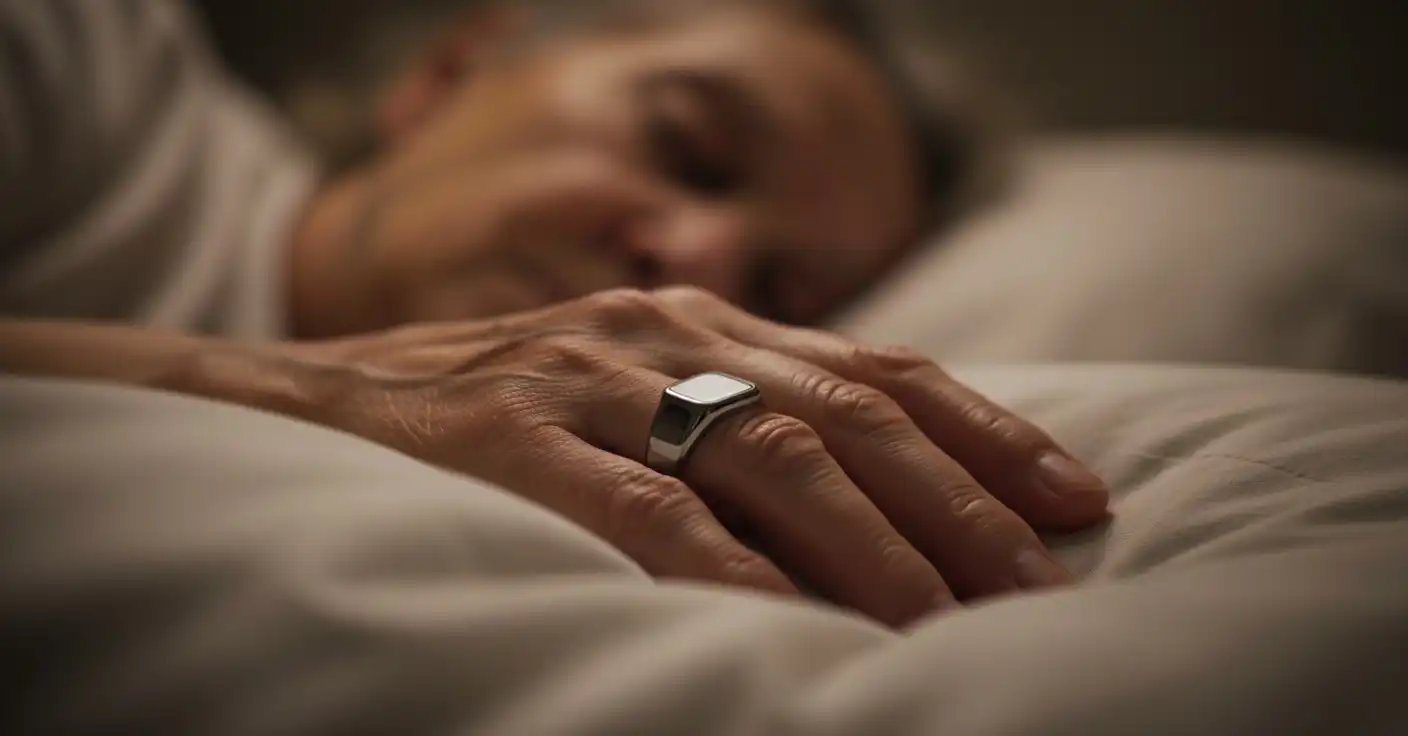
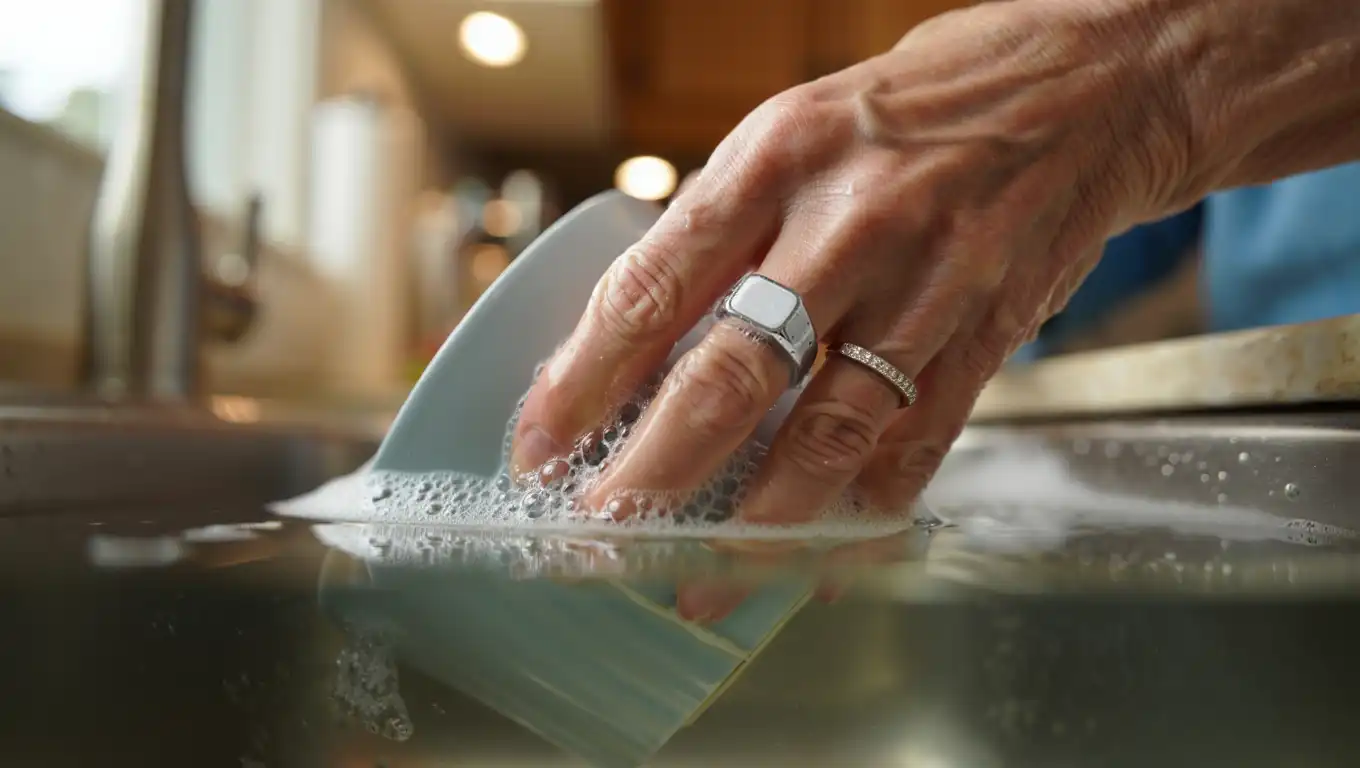
Adherence has been strong. Across the cohort, the devices are being worn for around 23 hours a day on average. Residents are wearing the devices through the night, in the shower, and during their daily activities.
Engagement has been high. Both staff and residents have taken to the system enthusiastically. Staff have been hands-on with fitting and charging; residents have shown genuine curiosity about what's being measured.
Charging was the trickiest part of the routine for the first couple of weeks. A wristband upgrade rolled out on our second visit increased battery life and resolved it.
And finally, we've learned how wonderful the Burleigh team are! They have embraced the innovation, are constantly looking for ways to elevate the care they offer their residents, and have been hugely helpful to us throughout. They are the reason this pilot has gone as well as it has.
The early signs have been very encouraging, and we're learning more every week.
What comes next
The first full analysis of our two-month pilot is due later this summer. Subsequent deployments will broaden what the system covers, including fall detection, family-facing summaries, and richer cohort-level analytics. The architecture we've proven at Burleigh (the wearables, the Hubs, the cloud, the dashboard) and the insights gained so far are providing invaluable lessons.
At Haelo we believe continuous, dignified monitoring should be the default for older adults, whether in a care home or at home. Burleigh is the first big step toward that. There's a lot more to come.
If you operate a care home, or have a loved one in care you'd like to talk to us about, please get in touch.
Frequently Asked Questions
Is the Haelo system a medical device?
No. It is an assistive monitoring tool. It does not provide diagnosis, treatment, or clinical decision-making, and is not a substitute for the care team's judgement.
What does Haelo track in this pilot?
Heart rate, blood oxygen, heart rate variability, sleep, and movement, alongside system-level data on connectivity and alert handling.
How is data kept secure?
Pilot data is handled in line with UK GDPR. Personally identifiable information (PII) and protected health information (PHI) are encrypted at rest and in transit, with technical and organisational measures aligned with NHS Data Security and Protection Toolkit principles and Cyber Essentials guidance. Access is restricted to authorised Haelo personnel and relevant Burleigh House staff.
Is the pilot independently overseen?
Yes. Academic oversight comes from data science specialists at the University of Bath.
Where is Haelo available?
Our consumer product is in pre-order. Visit haelohealth.com for updates.
Burleigh House is an award-winning, privately run Edwardian residential care home in the market town of Baldock, Hertfordshire.
Haelo is building the world's first smart ring with continuous emergency detection. Read more about the Haelo Hub and the technology behind the system.